
How to Help Your Child Write Their First Story
Updated
Most young children are full of stories long before they can write them down. The trick is not teaching them to write a perfect story; it is helping them get the one in their head onto the page, in their own words. Here is a simple approach that works for ages 5 to 8.
1. Start with what they already love
The best first story is about something your child already talks about: a pet, a favorite toy, a dinosaur, a trip to grandma's. Ask, "If you could make a book about anything, what would it be about?" and accept the first answer, however silly.
Real-life characters work beautifully. A story about the family dog getting lost in the backyard is a perfect first book.
2. Find the problem
Every story needs something to go wrong. Young kids rarely think of this on their own, so ask about it directly:
- What does your character want?
- What gets in the way?
- How do they fix it, or who helps them?
Those three answers are a whole story: a beginning, a middle and an end.
3. Let them talk before they write
Have your child tell you the story out loud first. For younger kids, you can type or write exactly what they say. Telling it aloud helps them hear whether it makes sense, and it takes the pressure off spelling.
4. Keep their words
It is tempting to fix grammar and swap in better words. Resist it, at least for the first draft. A story full of the child's own phrasing is one they will want to read again and again, and that rereading is where much of the reading practice happens.
If you want to help with spelling, do it later and together: "Let's check how to spell dinosaur," not silent corrections.
5. One sentence per page
Picture books for young readers often have just one or two sentences per page. Breaking the story into pages makes it feel like a real book, and each page becomes a natural place for a picture.
6. Make it a real book
Children light up when their story looks like the books on their shelf. Add illustrations, a cover with their name as the author, and if they like, their own voice reading it aloud. Then read it together at bedtime.
Common questions
My child says they have no ideas. What can I do?
Offer two or three choices instead of an open question: "Should it be about a dragon, our cat, or a robot?" Once they pick, ask what that character wants. Ideas usually follow.
Should I correct spelling and grammar?
Not in the first draft. Keep the focus on the story. If you want to work on spelling, pick one or two words afterwards and look them up together.
How long should a first story be?
Short. Five to ten pages with a sentence or two each is plenty for ages 5 to 8. Finishing a short book feels much better than abandoning a long one.
Stories by kids
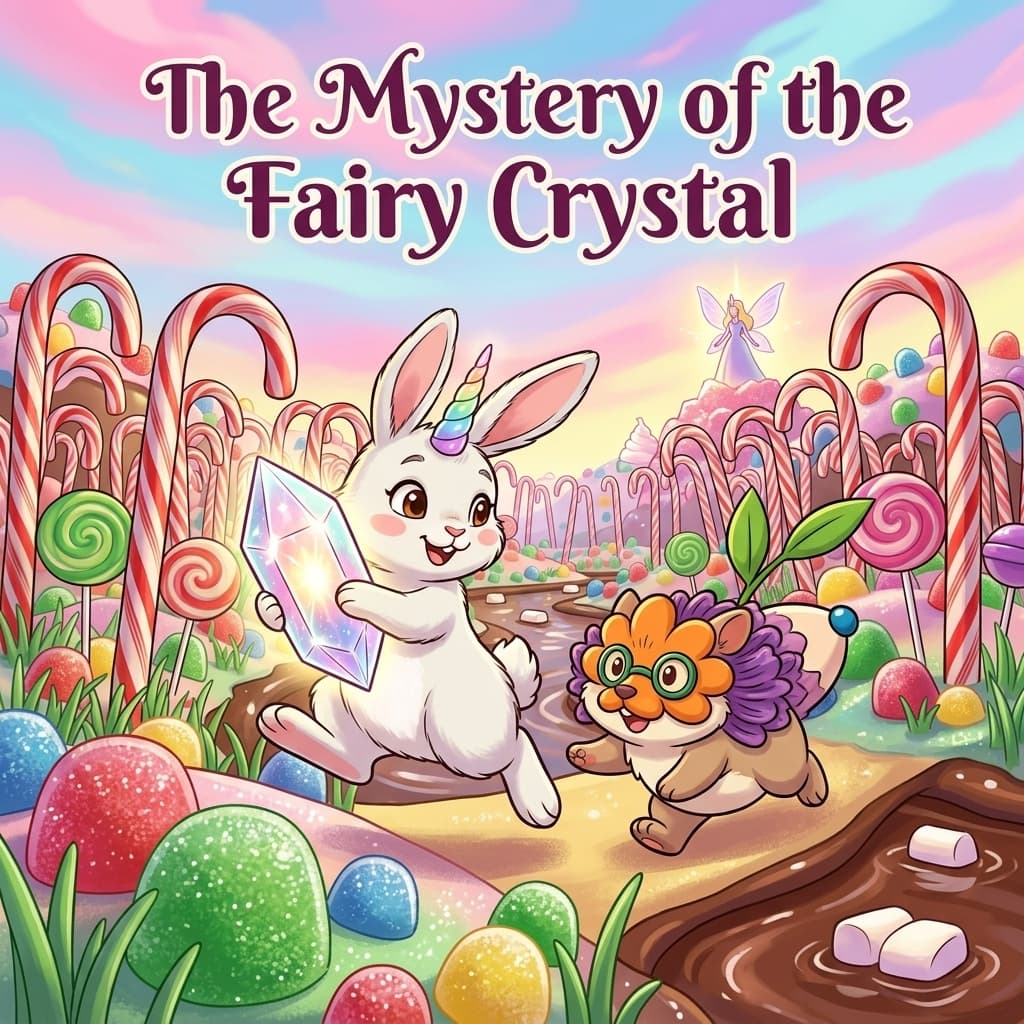
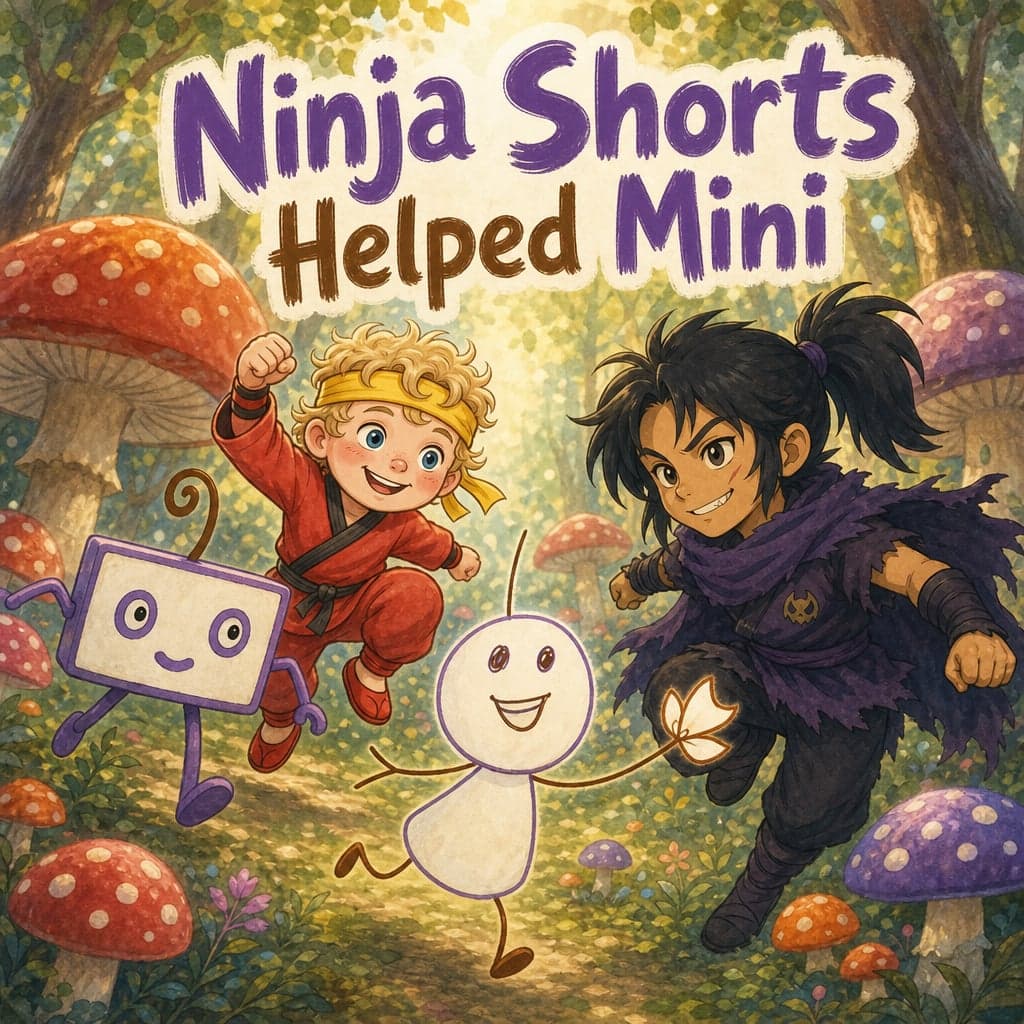
Real books written and illustrated by children on KindleWood.
KindleWood Studio turns your child's story into an illustrated book, keeps their words exactly as written, and lets them narrate it in their own voice.