
Built on the science of reading
Children learn to read when they are taught how sounds and letters connect, then practice on reading worth doing. KindleWood turns the books your child and their friends make into that practice, and tracks each skill against school standards so you can see them grow.
The scienceHow children learn to read
Decoding×Language comprehensionReading comprehension
Decoding is turning letters into sounds. Language comprehension is knowing what those words mean. They are multiplied, not added. A child who sounds out every word but knows none of them still cannot read the page.
Language comprehension
Word recognition
Skilled reading
Fluent, coordinated word recognition and comprehension
Both sets of strands twist together for years, until reading is automatic.
What the evidence agrees on
- Teach letter-sound patterns explicitly, in a planned order
- Sound out every letter of every word
- Practice first with decodable text
- Then read a lot, every day
- Teach vocabulary directly, and come back to it
- Write, and spell the words out by hand
The practiceHow KindleWood puts it to work
Children care about a story they or their friends made. We use that to drive the practice the research calls for.
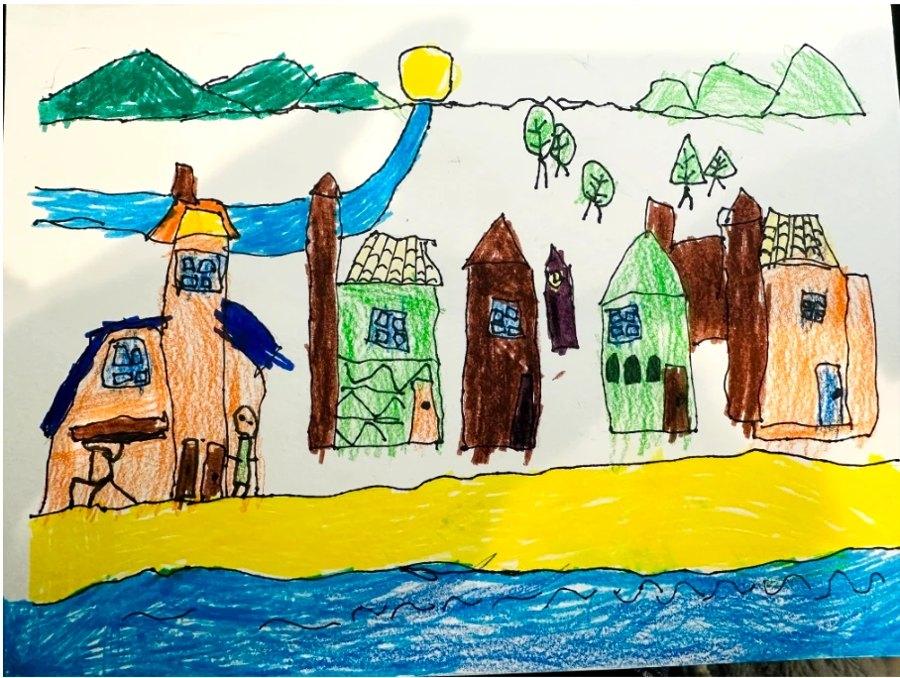
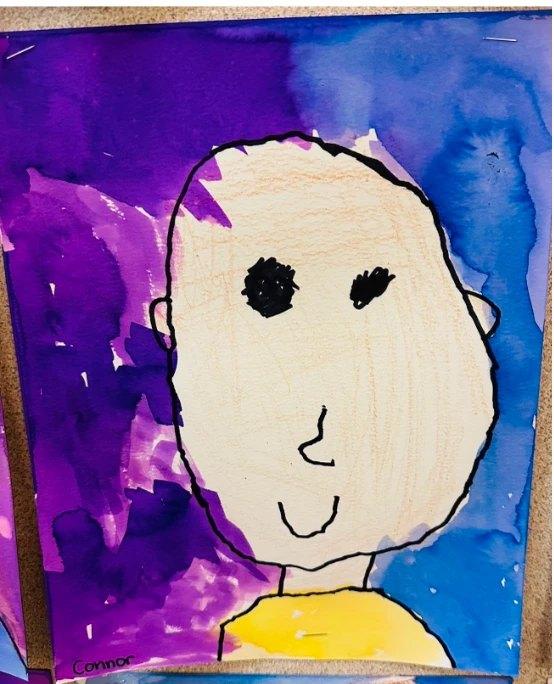
Ages 3 to 6 · Little reader and author
Your child invents the story
They choose the characters, the setting and what happens. Parents and teachers guide along the way.
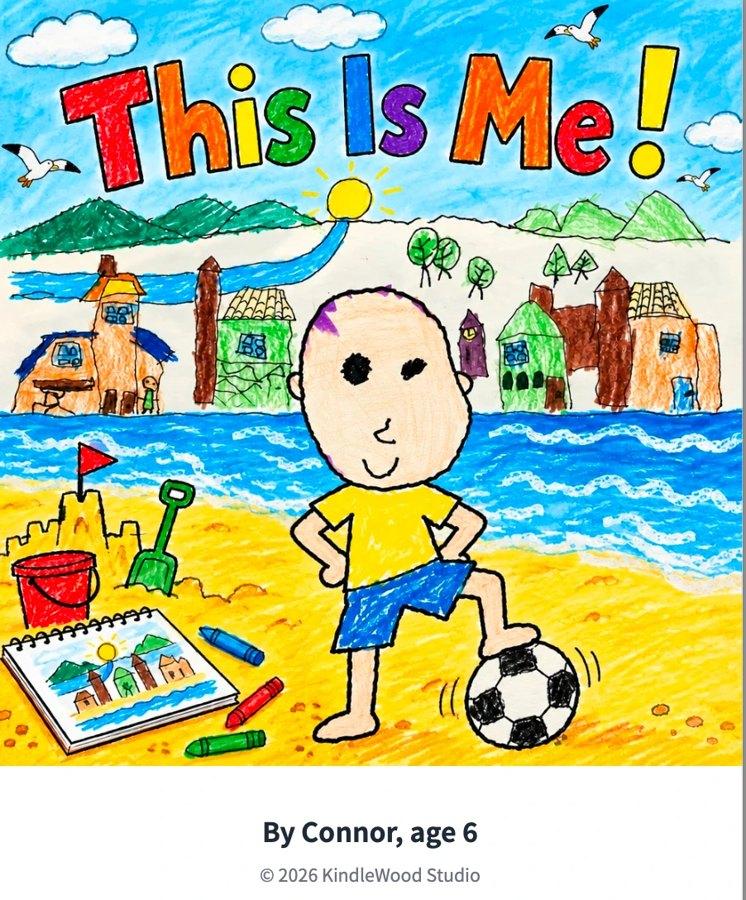
Their story takes shape
KindleWood helps expand their words into full pages, in a tone that fits their age and what they are learning. The story stays theirs.
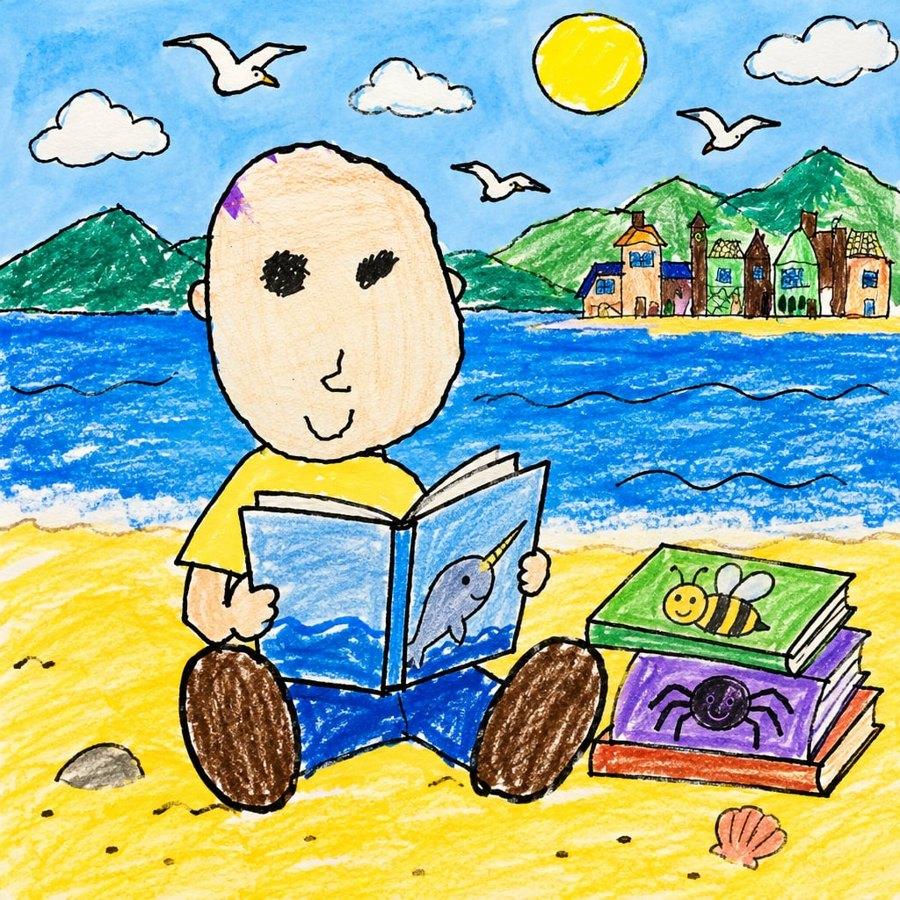
I love reading. I read narwhal, bee, spider books.
Sounds
beebeeWord recognition
FindredreadroadComprehension
He readsanimal booksPractice comes from their story
Sounds, words to know by sight, and what the story means, all from their own pages.
Ages 7 to 12 · Big writer
Full creator mode
Your child owns the whole book now: the words, the pictures and the voice. KindleWood steps back to coaching grammar, sentence logic and story arc.
The progressHow we measure it
Parents and teachers can see which skills a child is learning, track how each one grows as they read and practice, and know what to work on next to help them improve.
Five milestones, 100 skills
From talking and listening to reading to learn. Every skill maps to a learning standard, so you know exactly what your child is learning.

Reader profile
Connor
Badges 2 of 5
- Talks and listens
- Cracks the code
- Sounds it out
- Reads smoothly
- Reads to learn
100 skills across five milestones
Tracked as they practice
A skill turns confident when your child shows it in practice from their own stories. A milestone’s badge comes once most of its skills are confident.
Connor’s reading journey
32 of 41 skills confident
- Sounding out words16 confident of 16/16
- Listening to sounds5 confident of 5/7
- Spelling and writing1 confident of 1/3
- Understanding the story2 confident of 2/5
A clear next step
The map shows how skills build on each other, so you can see what comes next and which stories and games practice it.
Working on now
- Hears middle soundsRF.K.2.d
- Spells by soundL.K.2.d
Up next
- Uses new words in talkL.K.6
- Swaps a sound, with lettersRF.K.2.e
Each skill maps to a standard. See how they connect in the map below.
Beyond the scores
Curiosity, engagement and confidence matter too. We describe them in words and never rate them, or compare children.
Curiosity
Invents new characters and builds whole stories around them, and stops mid-page to ask why things happen.
Engagement
Reads or practices almost every day, and joins right in when a story is read aloud in class.
Confidence
Reads out loud with more confidence each week, and is growing into a real storyteller.
The journey from little reader to big writer
Cracking the code. Where Connor is now: hearing every sound in a short word, reading first word families and sight words, and starting to write.
The research behind this page(22)
- APM Reports. Sold a Story (2022–2026), hosted by Emily Hanford.
- National Reading Panel (2000). Teaching Children to Read. NICHD.
- Castles, A., Rastle, K., & Nation, K. (2018). Ending the reading wars. Psychological Science in the Public Interest.
- Rayner, K., Foorman, B., Perfetti, C., Pesetsky, D., & Seidenberg, M. (2001). How psychological science informs the teaching of reading. Psychological Science in the Public Interest.
- Rayner, K. (1998). Eye movements in reading and information processing: 20 years of research. Psychological Bulletin.
- Seidenberg, M. (2017). Language at the Speed of Sight. Basic Books.
- Gough, P., & Tunmer, W. (1986). Decoding, reading, and reading disability. Remedial and Special Education.
- Scarborough, H. (2001). Connecting early language and literacy to later reading (dis)abilities. Handbook of Early Literacy Research.
- Ehri, L. (2014). Orthographic mapping in the acquisition of sight word reading. Scientific Studies of Reading.
- Share, D. (1995). Phonological recoding and self-teaching. Cognition.
- Cheatham, J., & Allor, J. (2012). The influence of decodability in early reading text. Reading and Writing.
- Swanborn, M., & de Glopper, K. (1999). Incidental word learning while reading: a meta-analysis. Review of Educational Research.
- Beck, I., McKeown, M., & Kucan, L. (2013). Bringing Words to Life. Guilford Press.
- Marulis, L., & Neuman, S. (2010). The effects of vocabulary intervention on young children’s word learning. Review of Educational Research.
- Mol, S., & Bus, A. (2011). To read or not to read: a meta-analysis of print exposure. Psychological Bulletin.
- Graham, S., & Hebert, M. (2011). Writing to read. Harvard Educational Review.
- Ouellette, G., & Sénéchal, M. (2008). Pathways to literacy: a study of invented spelling and its role in learning to read. Child Development.
- Takacs, Z., Swart, E., & Bus, A. (2015). Benefits and pitfalls of multimedia and interactive features in technology-enhanced storybooks. Review of Educational Research.
- Pearson, P. D., & Gallagher, M. (1983). The instruction of reading comprehension. Contemporary Educational Psychology.
- Berninger, V., & Winn, W. (2006). Implications of advancements in brain research and technology for writing development. Handbook of Writing Research.
- Graham, S., & Perin, D. (2007). Writing Next. Alliance for Excellent Education.
- Graham, S., Hebert, M., & Harris, K. (2015). Formative assessment and writing: a meta-analysis. The Elementary School Journal.
See the skills your child builds along the way, or read the books kids have already made.